Reading is the new superpower in the AI era
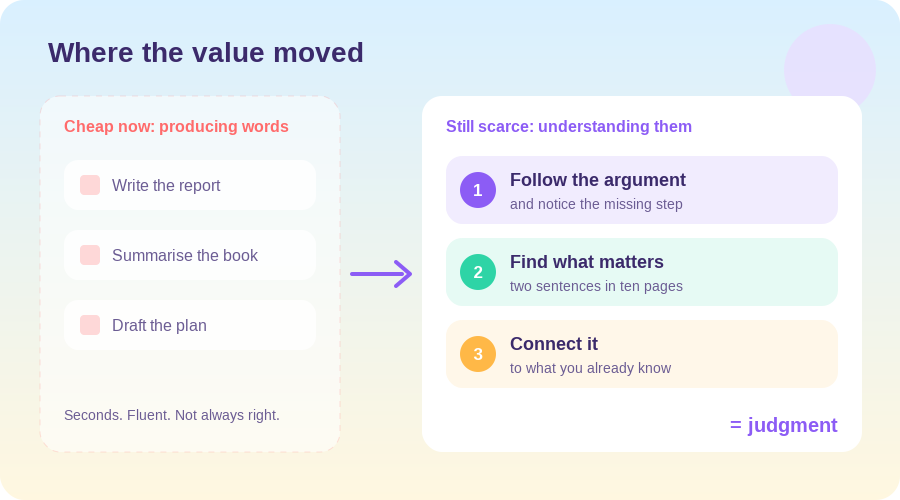
For most of history, the advantage went to people who could make things. Write the report. Run the numbers. Draft the plan. Then AI showed up and made all of that roughly as scarce as tap water.
You can now get a polished essay in eight seconds. A summary of a book you never opened. A strategy deck that sounds like it was written by a consultant who bills by the hour. Producing words costs basically nothing.
Writing got cheap. Understanding didn't.
So what's scarce now? Understanding them.
We read more text in a day than our grandparents saw in a month, and a growing share of it was written by something that has never been wrong in its own opinion. AI is fluent. Fluent and correct are different things, and the gap between them is exactly where people get burned.
What reading well actually involves
Reading well, the real kind, is harder than it sounds. You follow an argument to the end and notice the step that's missing. You find the two sentences in a ten-page document that actually matter and ignore the rest.
And then you do the part no tool can do for you. You connect what you just read to everything you already know, and you change your mind a little, or you don't, but now you know why.
That last bit is what we used to call judgment. Turns out we're going to need a lot of it.
Outsource the reading, outsource the thinking
Here's the irony. As machines get better at writing, it gets very tempting to stop reading. Why get through forty pages when a chatbot will hand you five bullet points and a confident tone? Fair question.
If you outsource your reading, you outsource your thinking along with it.
And then the best you can do is forward things. Plenty of people have built careers on forwarding things. I'm not sure it's a growth market.
The skill is built between four and eleven
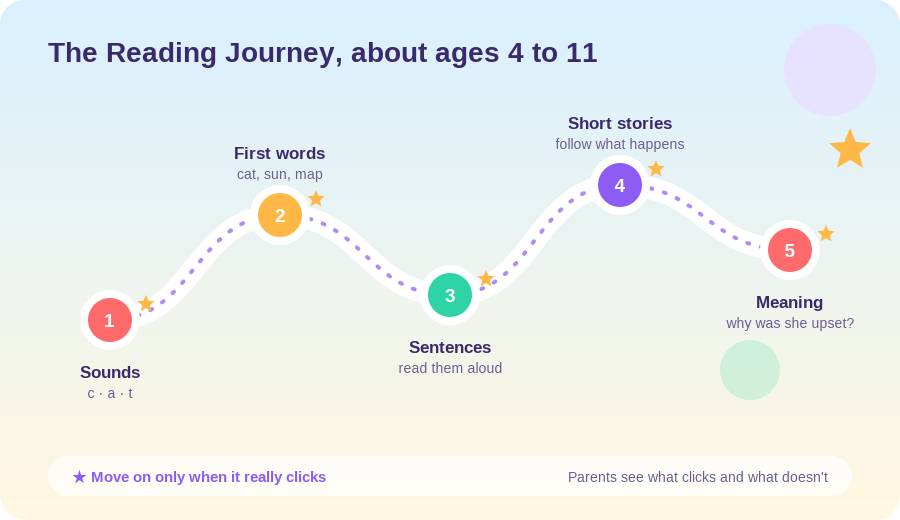
I keep coming back to one thought. This skill doesn't appear at 35 because you finally downloaded a productivity app. It gets built much earlier, somewhere between learning that "c-a-t" is a cat and figuring out why the character in the story was upset. Sound by sound, sentence by sentence, between about four and eleven.
The Reading Journey in EarnPlay
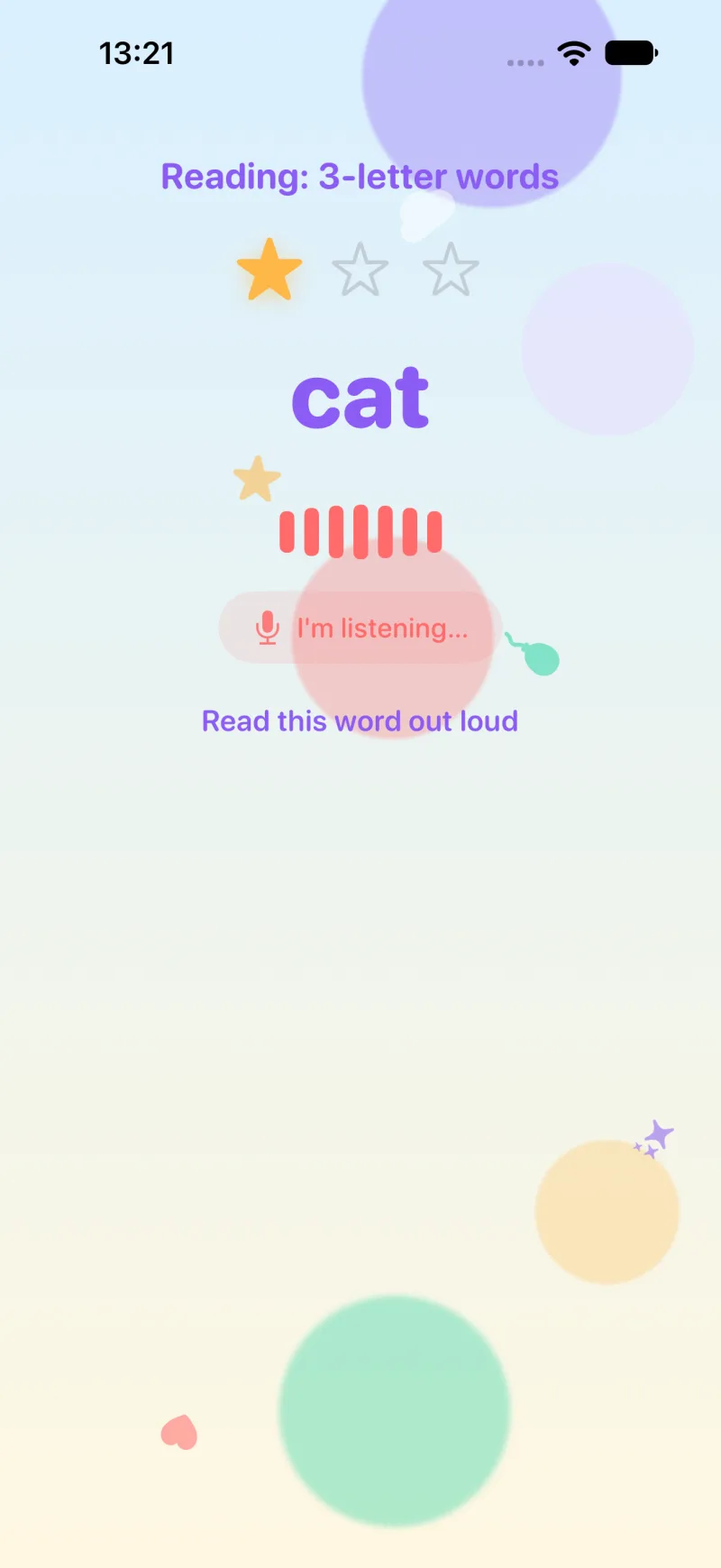
Which is why, at PatakoLabs, we've been working on the Reading Journey for EarnPlay. Kids read out loud, the app listens and encourages them, and they work their way up from their first three-letter words to short stories with questions that make them think about what the text actually means.
They only move on when they've really got it. Parents can see what's clicking and what isn't. Kids get a map with stars, which in my experience is a surprisingly strong motivator at any age.
The point isn't to rush anyone to the finish line. It's to raise kids who can read something and think for themselves about it. In a world where machines write most of the words, that seems like a reasonable thing to give them.